
THE EVIDENCE DESK · ASKING PRICE
$574,900 is the median asking price.
It is not the value of this house.ONE MONTH · THREE MEASURES
The asking-price headline needs the listings behind it.
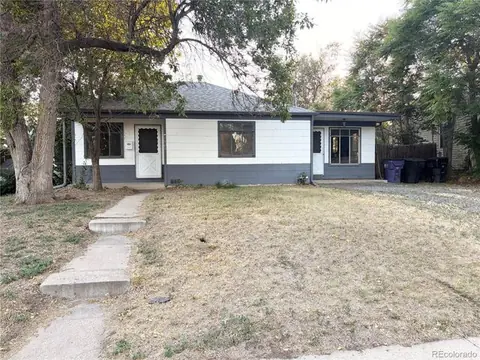
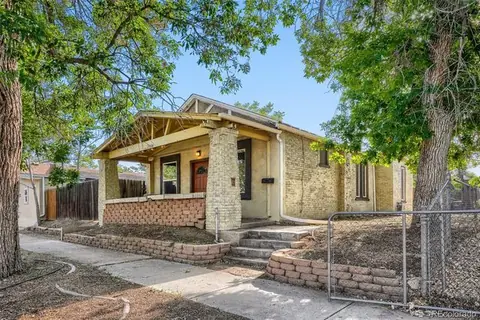
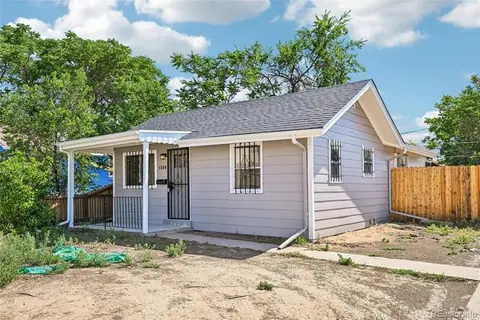
None of these is the median. A median is a statement about a set; every house in the set is a different house, with a different roof, a different lot and a different answer.
median listing price
median listing size
median listing price per square foot
THE RECEIPT
A number needs its operating instructions.
Source, date, geography, method, and limit stay beside the result.- SOURCE
- Realtor.com Housing Inventory Core Metrics via FRED: MEDLISPRI19740, MEDSQUFEE19740, and MEDLISPRIPERSQUFEE19740.
OPEN THE SOURCE ↗ - AS OF
- August 2026 observations; FRED updated September 4, 2026.
- GEOGRAPHY
- Denver–Aurora–Lakewood, Colorado metro area (CBSA).
- METHOD
- Read median asking price, median listing size, and the published median price-per-square-foot series for the same geography and month.
- DOES NOT PROVE
- These are listing medians, not closed-sale comparables. They cannot see this property’s street, condition, lot, association, or terms.
THE NUMBER
$574,900 was the median asking price in the Denver-Aurora-Lakewood metro in August 2026: the August observation of the Realtor.com Housing Inventory series, published through FRED at the Federal Reserve Bank of St. Louis and updated September 4, 2026 (VERIFIED). It is the asking price of the listing in the middle of that month's inventory. It is not a sale price and it is not a value. The series updates every month; the source link above opens the newest observation.
MEDIAN, NOT AVERAGE
Line up every listing in the metro that month from cheapest to most expensive. The median is the one in the middle: half the listings ask more, half ask less. The average adds every asking price and divides by the count, so a few listings at $4 million pull it up while the middle house does not move. That is why the median is the number to use for what a typical Denver listing asks, and why an average from another source will not match it.
Keep readingShow less
This is also a listing median: what sellers asked, not what buyers paid. Closed-sale medians come from the MLS and the county recorder, are published on their own schedule, and can sit above or below the asking median in the same month. When a headline says Denver median home price, ask which measure, which month, and which geography. A ZIP code, the City and County of Denver, and the metro area are three different sets with three different medians.
USE IT ON ONE HOUSE
For a buyer: compare the same property type and size before treating the metro median as an affordability answer. A $574,900 median beside a 2,044 square foot median size says the typical listing asks about $280 a foot; a 1,100 square foot bungalow and a 3,400 square foot new build inside a metro district sit on different curves. The median tells you where the middle of the market is asking. The house tells you what you would own.
Keep readingShow less
For a seller: use current competing listings and recent comparable sales, and let condition and terms explain the address-level difference. A seller who prices off the metro median is competing with the middle of the metro, not with the four houses a buyer will tour the same Saturday. Price against those four.
The median moves with the mix of what is listed, not only with values. A month with more condos and fewer large houses on the market has a lower median while no house lost value. One month's change is a weak signal; a run of months is a stronger one. Read the metro number as context, then build the comparable set for the address.
WHAT THIS CHANGES
Changes the next step from repeating a headline to building the right comparable set.
TAKE THE METHOD WITH YOU
The claim is not finished until its boundary is visible.
OPEN THE EVIDENCE RECEIPT →READ THE FULL HOUSING REPORT →YOUR HOUSE, NOT THE METRO